Tramadol SR 100 mg Online: A Full Guide


Dr. Michael Carter, DO
 Updated on:
May 18, 2025
 Based On Evidence
Tramadol SR 100 mg is a commonly prescribed medication for moderate to moderately severe pain. We will discuss everything you need to know about Tramadol SR 100mg in this article, such as how to use it, its benefits, side effects, safety concerns, and more.
What is Tramadol SR 100mg?
Tramadol SR (Sustained Release) 100 mg is an opioid painkiller that changes how the brain and nervous system understand pain. The “SR” in the drug’s name indicates its gradual release in the body over time. This type of medication gives longer-lasting pain relief than immediate-release forms.
Key Features of Tramadol SR 100mg
- Active Ingredient: Tramadol Hydrochloride
- Formulation: Sustained Release (SR) tablet, offering long-lasting effects
- Dosage: Usually given as 100 mg tablets to be taken once or twice a day as directed by a doctor
- Purpose: Pain management for things like pain after surgery, chronic pain, or pain from an injury
How Does Tramadol SR 100mg Work?
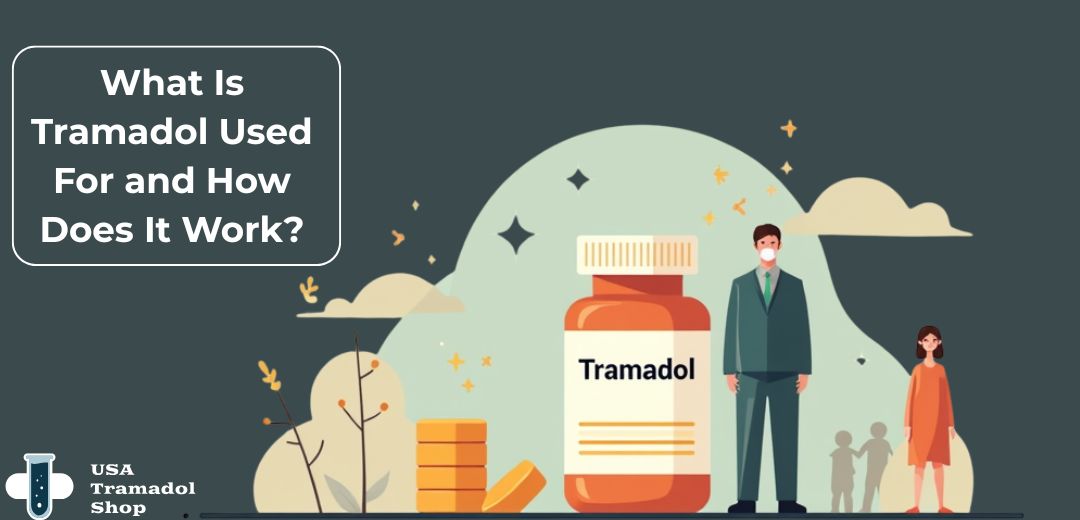
Tramadol works by attaching to opioid receptors in the brain. These receptors send signals about pain. On the other hand, it is the reuptake of serotonin and norepinephrine , which are neurotransmitters that help control pain. Because it works in two ways, Tramadol can help with both short-term and long-term pain.
Uses of Tramadol SR 100mg
Tramadol SR 100mg is prescribed for a variety of conditions, including
- Post-surgical pain: To make surgery less painful.
- Chronic pain: For pain that lasts a long time, like arthritis, fibromyalgia, or back pain.
- Cancer-related pain: As part of palliative care for people with cancer who are in pain.
- Neuropathic pain: pain caused by nerve damage or diseases such as diabetic neuropathy.

Dosage and Administration
Recommended Dosage
The exact amount of Tramadol SR 100 mg a person needs depends on their condition and how severe their pain is. But here are some general rules:
- Initial Dose: Usually, 100mg once daily.
- Maintenance Dose: Usually between 100 mg and 200 mg per day, split into one or two doses.
- Maximum Dose: The dosage should not exceed 400 mg within 24 hours.
How to Take Tramadol SR 100mg
- Take the whole tablet with some water.
- Do not chew, break, or crush the tablet, as this can disrupt the sustained-release mechanism.
- Every day, take the medicine at the same time to keep the same amount in your bloodstream.
Benefits of Tramadol SR 100mg
Taking Tramadol SR 100mg has several advantages, including
- Long-lasting pain relief: Pain relief for up to 12–24 hours.
- Convenience: Fewer doses are required compared to immediate-release options.
- Dual mechanism of action: It goes after both neurotransmitters and opioid receptors.
- Improved quality of life: Helps people better manage long-term or severe pain.
Side Effects of Tramadol SR 100mg
Tramadol SR 100mg can have side effects, just like any other drug. The side effects can range from very severe to very mild.
Common Side Effects
- Nausea
- Dizziness
- Constipation
- Headache
- Drowsiness
- Dry mouth
Less Common but Serious Side Effects
- Difficulty breathing
- Seizures
- Hallucinations
- Serotonin syndrome (symptoms include confusion, rapid heart rate, and sweating)
If you experience any severe side effects, seek medical attention immediately.
Precautions and Warnings
Before you take Tramadol SR 100mg, you should be aware of the possible side effects and precautions.
Who Should Avoid Tramadol SR 100mg?
- Patients with severe respiratory depression: Tramadol might make breathing problems worse.
- History of seizures: Tramadol can make it easier to have a seizure.
- Severe liver or kidney impairment: Dosage adjustments may be required.
- Pregnant or breastfeeding women: Tramadol can get into milk and hurt the baby.
Important Precautions
- If you are taking Tramadol SR 100 mg, don’t drink alcohol. It can increase the likelihood of side effects such as sleepiness and breathing problems.
- Before you know how Tramadol makes you, don’t drive or use heavy machinery.
- When giving opioids to older people, be extra careful because they may be more sensitive to their effects.
Drug Interactions
Certain medicines may not work well with Tramadol SR 100mg, which could be harmful.
Common Drug Interactions
- Antidepressants: Can make you more likely to get serotonin syndrome.
- Other opioids: It might increase the chance of respiratory depression more.
- Sedatives or tranquilizers: Can make you sleepy for a long time.
- Blood thinners (e.g., Warfarin): Could make you more likely to bleed.
Comparison: Tramadol SR vs. Immediate-Release Tramadol
| Feature | Tramadol SR 100mg | Immediate-Release Tramadol |
| Onset of Action | Slower (1-2 hours) | Faster (30-60 minutes) |
| Duration of Effect | Longer (12-24 hours) | Shorter (4-6 hours) |
| Dosing Frequency | Once or twice daily | Multiple doses daily (every 4-6 hours) |
| Best For | Chronic pain, long-term conditions | Acute pain, short-term use |
Steps for Safe Use of Tramadol SR 100mg
- Consult Your Doctor
Before taking Tramadol SR 100 mg, you should always talk to your doctor. They will assess your condition and determine the correct dose for you.
- Follow the Prescription
Do not take more Tramadol than what is prescribed or for longer than what is advised. If you abuse it, you could become addicted, overdose, or have serious side effects.
- Monitor for Side Effects
Please document any side effects you experience and inform your doctor. Early detection can prevent problems.
- Store Safely
Do not give Tramadol SR 100 mg to children or pets. Please keep it in a cool, dry place.
- Avoid Abrupt Discontinuation
If you need to stop taking Tramadol, do it slowly under a doctor’s watch to avoid withdrawal symptoms.
Conclusion
Tramadol SR 100 mg is a beneficial drug for dealing with chronic moderate to severe pain. Its sustained-release formula provides long-lasting relief, making it an effortless choice for patients. But, like any medicine, it has possible risks, side effects, and things you should watch out for. Before starting or stopping Tramadol SR 100mg, You Should always talk to your doctor first and do what they say to make sure you stay safe and effective.
Patients can make wise choices about how to deal with their pain if they know the uses, benefits, and risks of Tramadol SR 100mg.
Disclaimer: This article is just for your information and shouldn’t be taken as medical advice. Always get personalized guidance from a health care professional.
Sources
3 sources- Tramadol SR 100 mg capsules administered twice daily had equivalent efficacy to tramadol IR 50 mg capsules administered four times daily.Source link
- SNRIs help ease depression symptoms. Some also help with anxiety disorders or long-term pain. They may work well if depression and pain occur together.Source link
- Tramadol is approved by the US Food and Drug Administration (FDA) as a pain relief medication, specifically indicated for moderate-to-severe pain.Source link
FAQ

Yes, abuse or prolonged use of Tramadol can lead to addiction. Always do exactly what your doctor tells you to do.
No, you shouldn't drink alcohol because it can make you more likely to get sleepy, dizzy, and have serious side effects like slowing down your breathing.
Take your medicine as soon as you remember if you forget to. If it's almost time for your next dose, though, don't take the missed one. Instead, go back to your regular schedule.
Even though tramadol's half-life is only about 6 to 7 hours, its effects last up to 24 hours longer with the sustained-release form.